Archives
- 2026-07
- 2026-06
- 2026-05
- 2026-04
- 2026-03
- 2026-02
- 2026-01
- 2025-12
- 2025-11
- 2025-10
- 2025-09
- 2025-03
- 2025-02
- 2025-01
- 2024-12
- 2024-11
- 2024-10
- 2024-09
- 2024-08
- 2024-07
- 2024-06
- 2024-05
- 2024-04
- 2024-03
- 2024-02
- 2024-01
- 2023-12
- 2023-11
- 2023-10
- 2023-09
- 2023-08
- 2023-07
- 2023-06
- 2023-05
- 2023-04
- 2023-03
- 2023-02
- 2023-01
- 2022-12
- 2022-11
- 2022-10
- 2022-09
- 2022-08
- 2022-07
- 2022-06
- 2022-05
- 2022-04
- 2022-03
- 2022-02
- 2022-01
- 2021-12
- 2021-11
- 2021-10
- 2021-09
- 2021-08
- 2021-07
- 2021-06
- 2021-05
- 2021-04
- 2021-03
- 2021-02
- 2021-01
- 2020-12
- 2020-11
- 2020-10
- 2020-09
- 2020-08
- 2020-07
- 2020-06
- 2020-05
- 2020-04
- 2020-03
- 2020-02
- 2020-01
- 2019-12
- 2019-11
- 2019-10
- 2019-09
- 2019-08
- 2019-07
- 2019-06
- 2019-05
- 2019-04
- 2018-11
- 2018-10
- 2018-07
-
Enterobacteriaceae are gram negative rods that include the
2020-01-13
Enterobacteriaceae are gram negative rods that include the Escherichia coli and Shigella. There are several DNA ligases posted on the GenBank belong mostly to Enterobacteria phages, such as the T4 bacteriophage [30]. There are several protein markers used to differentiate between T4 phage superfamil
-
br Results br Discussion The structures presented here were
2020-01-13
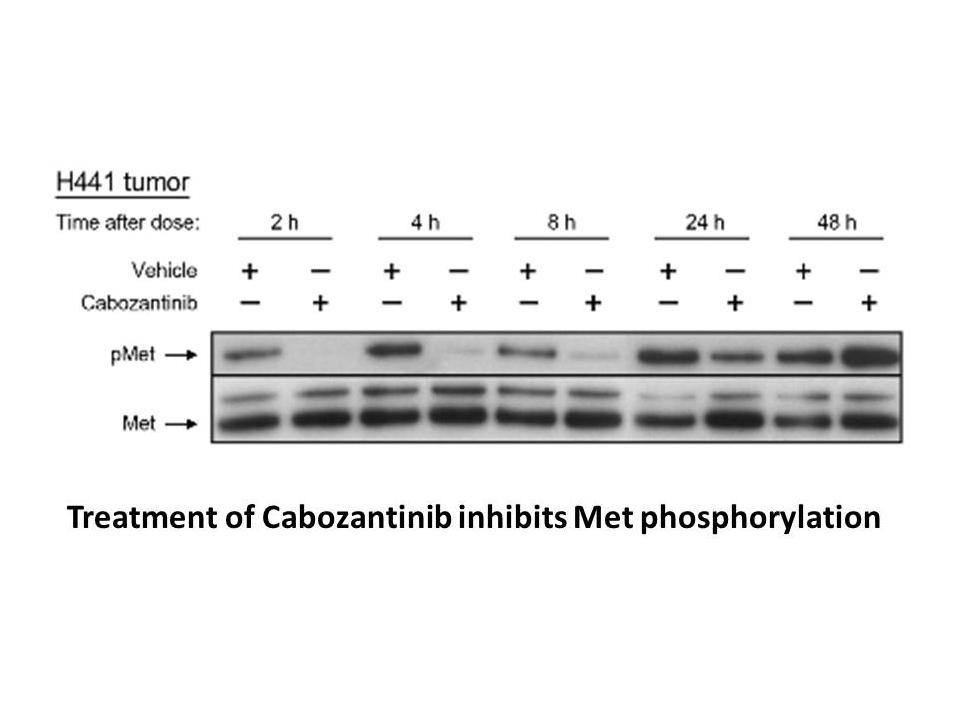
Results Discussion The structures presented here were solved at high TC-H 106 receptor and show in detail how DDR1 achieves high affinity for imatinib and ponatinib, respectively. Both type II inhibitors bind in their more potent extended conformations to the inactive DFG-out conformation of
-
In the present study we
2020-01-13
In the present study, we used a new luminescent method to measure CYP activity with Luciferin-ME as a substrate which is used for wide ranges of mammalian CYPs, including CYP1A2, CYP2C8, CYP2C9, CYP2J2, CYP4A11, and CYP4F3B. As a result, no significant modulations of CYP activities in B[a]P exposure
-
CB-839 In conclusion high methylation levels
2020-01-13

In conclusion, high methylation levels of CDKL2 were observed both in HCC cell lines and tissues, which showed a negative association with mRNA expression. Moreover, treatment with demethylation agent in HCC cell lines could upregulate CDKL2 mRNA expression. The discovery of the epigenetic modificat
-
In the preclinical evaluation of CRF receptor antagonists ef
2020-01-13
In the preclinical evaluation of CRF1 receptor antagonists, effects were mainly focused on the regulation of hyperactivated HPA axis and the modulation of anxiety or depressive-like behaviors in CRF challenge [16], [17], [18] or stress models [16], [19], [20]. However, it remains to be concluded whe
-
The first group of tests was
2020-01-13
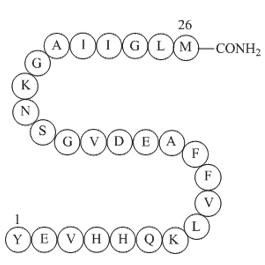
The first group of tests was intended to evaluate the performance of the GUI initialization. We evaluated the times obtained for different initial GUI models with 1, 2, 3, 5, 10, and 20 components as shown to the user. These sizes were chosen since GUIs (developed within our COTS-based architectures
-
In this study Oncomine GEO and TCGA databases were used
2020-01-11
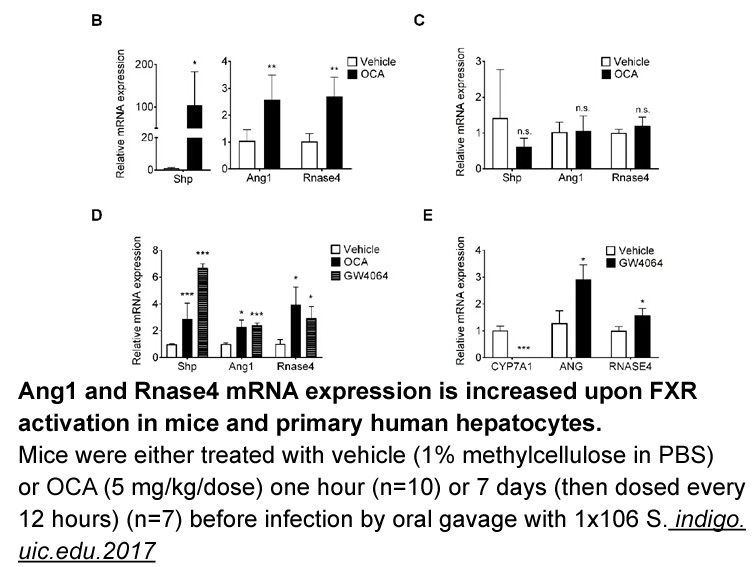
In this study, Oncomine, GEO and TCGA databases were used to analyze the expression of UBE2S gene in HCC and normal liver tissues to determine the relationship between UBE2S expression and prognosis of hepatocellular carcinoma. The potential function of UBE2S in HCC was analyzed by screening UBE2S c
-
The effect of transformation of the linker Y between the
2020-01-11
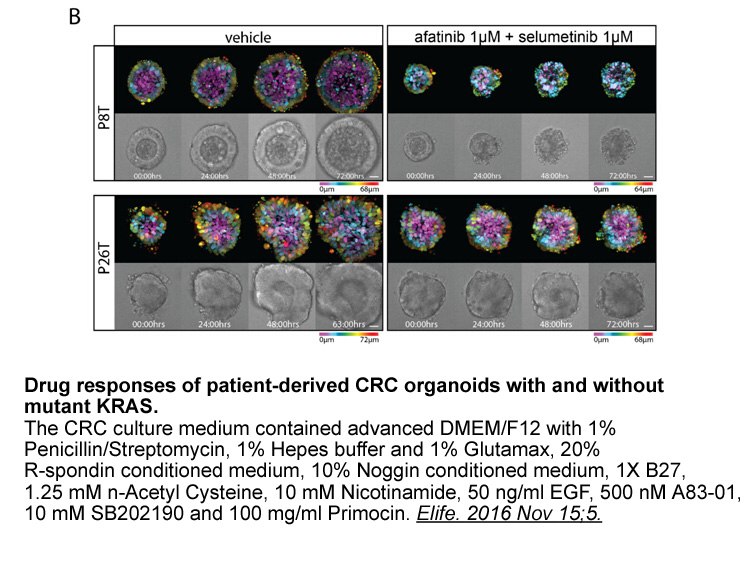
The effect of transformation of the linker Y between the carboxylic Ponesimod receptor residue and the phenyl moiety of 2b was also investigated, and is illustrated in Table 5. Analogs 2b, 16, and 17, possessing conformationally restricted carboxylic acid residues, tended to show stronger antagonis
-
Epiandrosterone Herein in continuation of our interest in de
2020-01-11
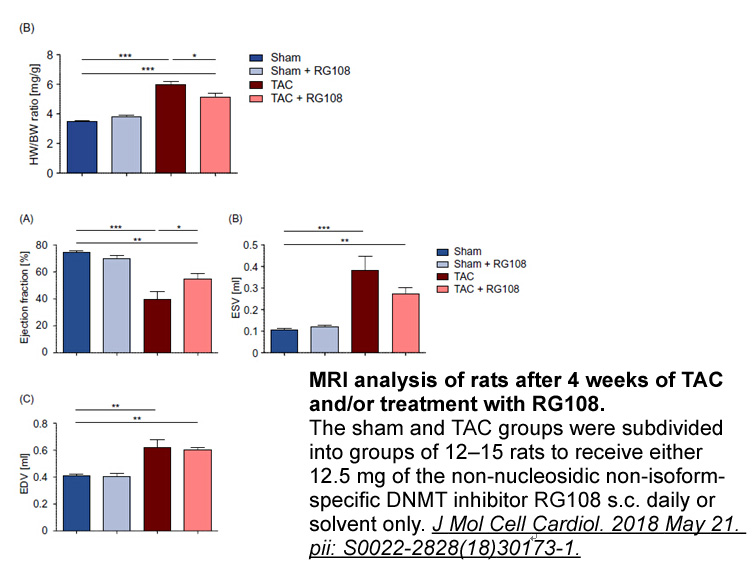
Herein, in continuation of our interest in designing new DNA photocleavage agents [18], we report the synthesis, characterization and DNA binding and cleaving properties of a novel compound: trans-N,N-dimethyl-10,11-di(pyridin-4-ium)-10,11-dihydro-9,12-dioxobenzo[e]phenanthrene tetrafluoroborate (1)
-
In neurodegenerative disorders neurons are excited by enormo
2020-01-11
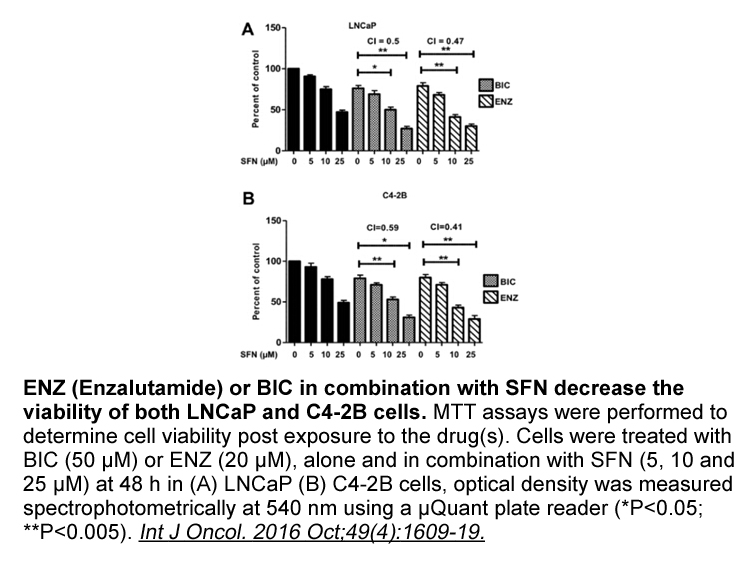
In neurodegenerative disorders neurons are excited by enormous ionic flow which induces mitochondrial dysfunction and apoptosis. Glutamate as the main excitatory neurotransmitter, is released excessively in these diseases. Glutamate acts through N-methyl-d-aspartate (NMDA) receptor and α-amino-3-hyd
-
In vivo study showed that the CYP
2020-01-11
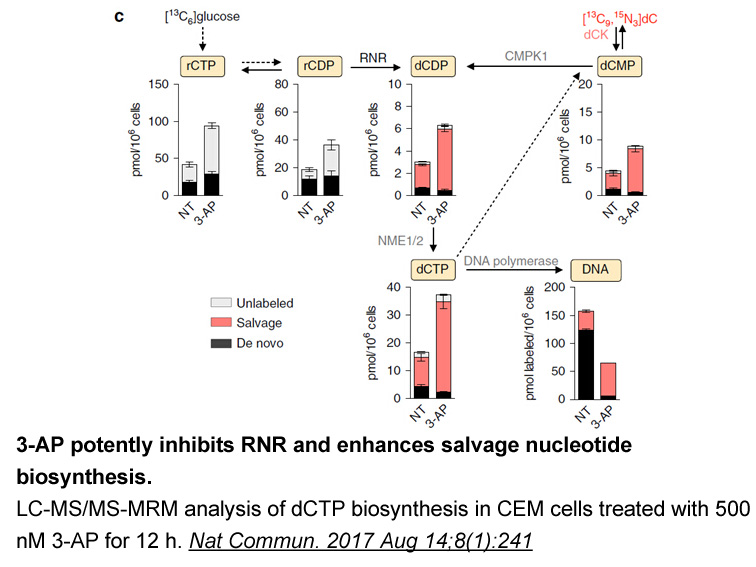
In vivo study showed that the CYP3A activity was increased, when morroniside (10, 30 and 90 mg/kg, i.g.) was daily for seven consecutive days. Further, RT-PCR analysis showed that the induction of mRNA uric acid by morroniside (10, 30 and 90 mg/kg, i.g.) was 1.13-, 1.43- and 1.79-fold higher, respe
-
Mass spectrometry has previously been used to examine the
2020-01-11
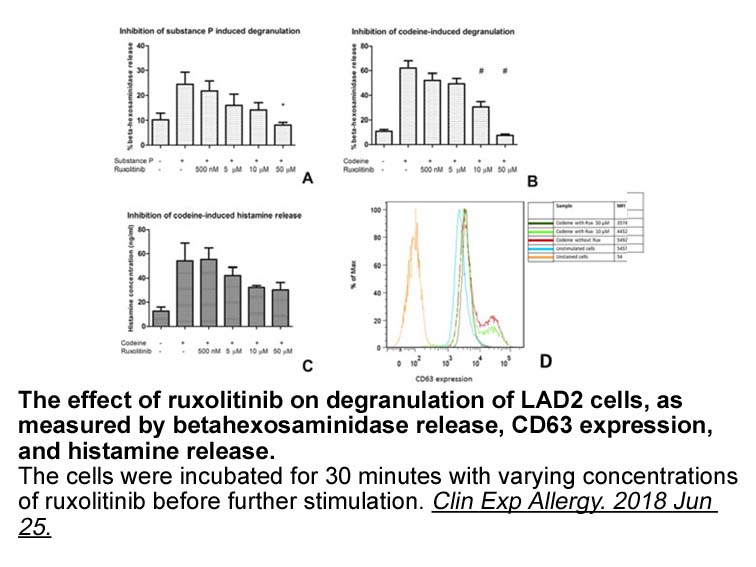
Mass spectrometry has previously been used to examine the presence of Hyp in recombinant collagen, using hydrolysates to identify the individual imino acid, equivalent to an amino Alda 1 analysis [33], and also by analysis of mass changes to tryptic peptides [34]. The present study, however, has exa
-
br Roles for intracellular chloride channels
2020-01-11

Roles for intracellular chloride channels Specific chloride channel proteins in intracellular membranes Concluding remarks Introduction The sulfonylurea derivative glybenclamide (GLYB) is used as oral hypoglycemic agent to treat non-insulin dependent diabetes mellitus [1], [2]. The antid
-
During the past decade it became increasingly clear
2020-01-11
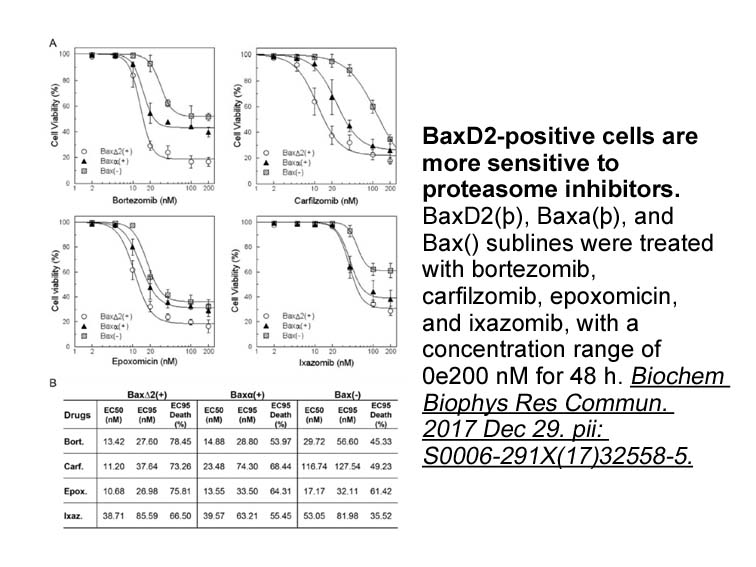
During the past decade, it became increasingly clear that the affinity and efficacy of small agonists acting on the orthosteric binding site of a GPCR can be modulated by ligands that bind to a topographically distinct (allosteric) binding site on the same GPCR molecule 33, 39, 40, 41, 42. This allo
-
br Introduction Fibroblast growth factors FGF are a family o
2020-01-11
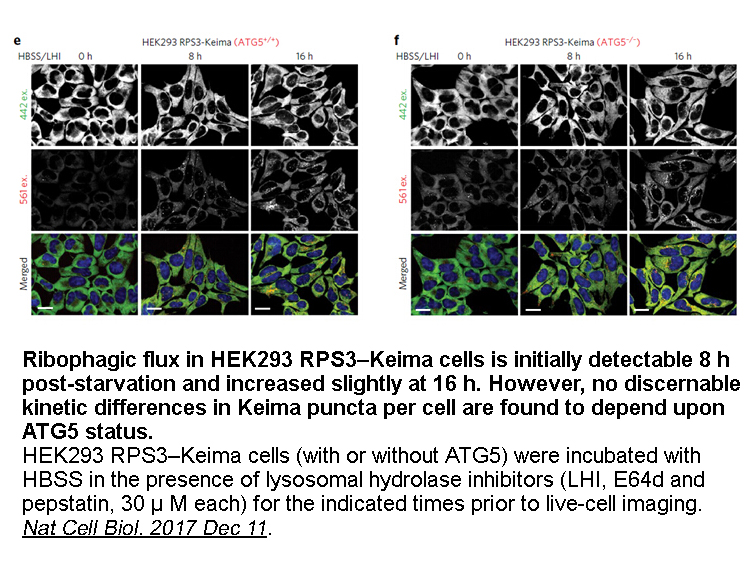
Introduction Fibroblast growth factors (FGF) are a family of 18 secreted ligands that bind to four receptor tyrosine kinase (RTK) FGF receptors (FGFR1–4). The interaction of FGFs with their cognate receptors results in the activation of a number of downstream signaling pathways, including the MAP
16293 records 922/1087 page Previous Next First page 上5页 921922923924925 下5页 Last page