Archives
- 2026-07
- 2026-06
- 2026-05
- 2026-04
- 2026-03
- 2026-02
- 2026-01
- 2025-12
- 2025-11
- 2025-10
- 2025-09
- 2025-03
- 2025-02
- 2025-01
- 2024-12
- 2024-11
- 2024-10
- 2024-09
- 2024-08
- 2024-07
- 2024-06
- 2024-05
- 2024-04
- 2024-03
- 2024-02
- 2024-01
- 2023-12
- 2023-11
- 2023-10
- 2023-09
- 2023-08
- 2023-07
- 2023-06
- 2023-05
- 2023-04
- 2023-03
- 2023-02
- 2023-01
- 2022-12
- 2022-11
- 2022-10
- 2022-09
- 2022-08
- 2022-07
- 2022-06
- 2022-05
- 2022-04
- 2022-03
- 2022-02
- 2022-01
- 2021-12
- 2021-11
- 2021-10
- 2021-09
- 2021-08
- 2021-07
- 2021-06
- 2021-05
- 2021-04
- 2021-03
- 2021-02
- 2021-01
- 2020-12
- 2020-11
- 2020-10
- 2020-09
- 2020-08
- 2020-07
- 2020-06
- 2020-05
- 2020-04
- 2020-03
- 2020-02
- 2020-01
- 2019-12
- 2019-11
- 2019-10
- 2019-09
- 2019-08
- 2019-07
- 2019-06
- 2019-05
- 2019-04
- 2018-11
- 2018-10
- 2018-07
-
br Agonist binding ETA activation is promoted by
2021-06-10
Agonist binding ETA activation is promoted by binding of the endogenous peptidergic agonists to their orthosteric binding site on the receptor. ET1 and ET2 (Trp6-Leu7-ET1) bind with equal high affinity to ETA, whereas the third endogenous isopeptide ET3 (Thr2-Phe4-Thr5-Tyr6-Lys7-Tyr14-ET1) binds
-
Finally we have determined for the
2021-06-10
Finally, we have determined for the first time that aromatase enzyme activity is necessary to observe IGF-1-dependent glycogen synthase kinase receptor activation. Neuroestrogen synthesis has been shown to be important for the maintenance of synaptic spine density in hippocampal slice cultures (Kret
-
br Results br Discussion The advent of TKI
2021-06-10
Results Discussion The advent of TKI treatment has greatly improved CML therapy. Because CML LSCs are less sensitive to TKIs, CML is usually controlled rather than cured, highlighting an unmet clinical need. Developed from our previous finding that CML LSCs are more dependent on Tcf1 and Lef1
-
Several studies on the collagen
2021-06-10
Several studies on the collagen receptor DDR1 have revealed a defined collagen signaling pathway that causes cell scattering and cadherin switching. As mentioned earlier, DDR cisapride australia on collagens are distinct from integrin binding sites; therefore, the same collagen protein can bind to
-
Imatinib STI is a first
2021-06-10
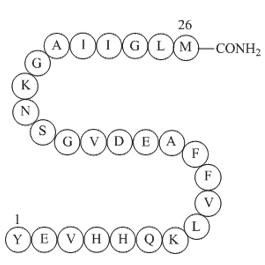
Imatinib (STI-571) is a first-line tyrosine kinase inhibitor (TKI) targeted at breakpoint cluster region-Abelson kinase (ABL) for the treatment of chronic myeloid leukemia (CML) [26]. As a type II inhibitor, imatinib achieves significant selectivity by binding to an inactive DFG-out conformation (DF
-
br Discussion Nowadays data of uncommon EGFR mutations are l
2021-06-09
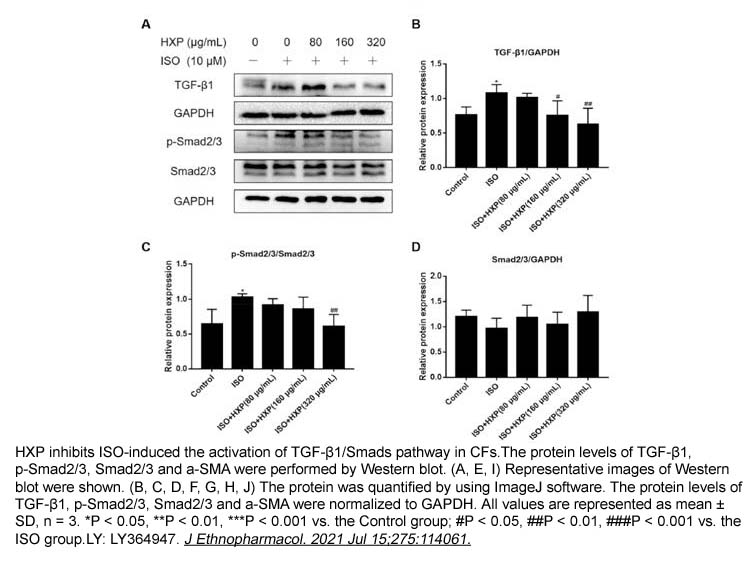
Discussion Nowadays, data of uncommon EGFR mutations are limited, considering that patients carrying these rare alterations are usually excluded from clinical trials. Available survival data of activity of EGFR TKIs on this class of mutations, coming from a small number of usually retrospective s
-
Expression of EBI and its function for migration in vitro
2021-06-09
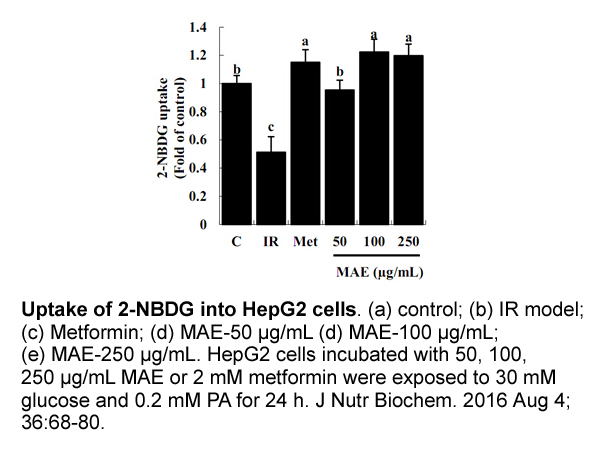
Expression of EBI2 and its function for migration in vitro in T cells was recently reported (Chalmin et al., 2015, Hannedouche et al., 2011, Liu et al., 2011, Pereira et al., 2009). Pereira et al. (2009) used an EBI2 reporter mouse and found that most CD4+ T cells, but only approximately half of the
-
Indeed the alkyl group is not seen in
2021-06-09
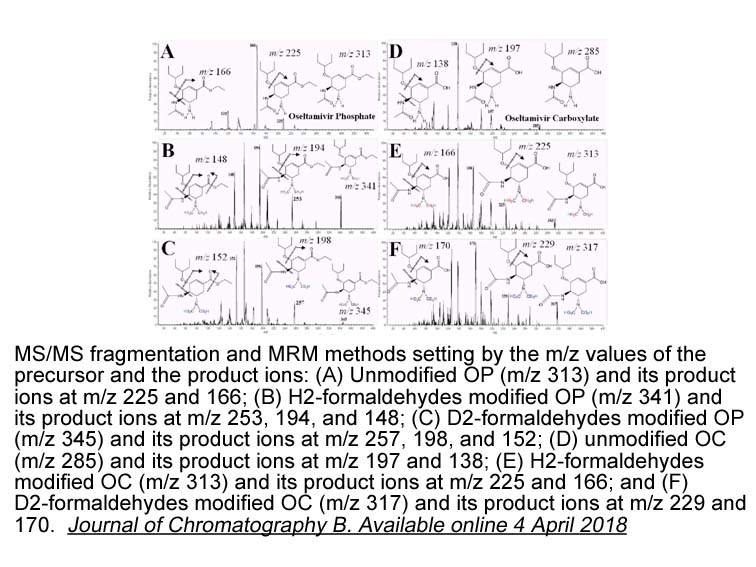
Indeed, the -alkyl group is not seen in the original crystallographic electron density omit map prior to positioning either inhibitor in DHODH, nor can it be found in the final maps. Rather, the electron density maps are consistent with hydrolysis of the amide to the acid. Once the scaffold was clea
-
It is important to note that CRF
2021-06-09
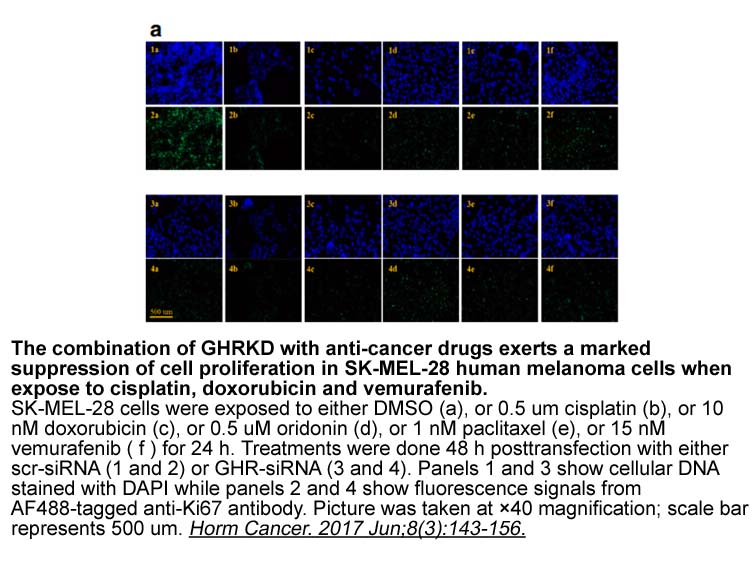
It is important to note that CRF1 may be activated during acute stress and early phases of anxiety disorders (Coric et al., 2010, Ising et al., 2007), as well the administration of Astressin 2B into the lateral septum did not have an effect on anxiety-like behavior in low-stress conditions but had a
-
Results from H also complement work
2021-06-09

Results from H5 also complement work of the AICPA Board of Examiners, which has concluded “newly licensed CPAs must demonstrate higher-order skills such as critical thinking, problem solving, analytical ability, and skepticism more frequently. It is critically important that newly licensed CPAs are
-
In the literature we can find two different modes of
2021-06-09
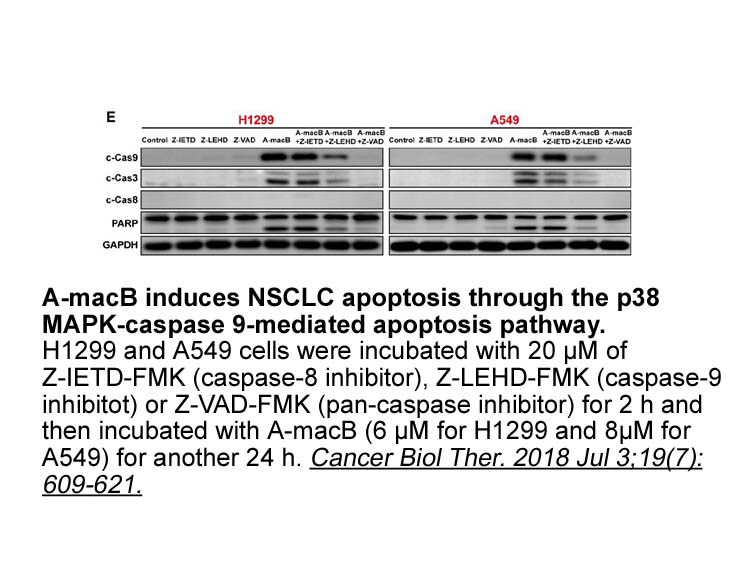
In the literature, we can find two different modes of action for estrogens: Firstly there is the commonly accepted genomic pathway. Estrogens pass the cell membrane due to their lipophilic character via diffusion and bind to estrogen receptors (ERs) in the cytoplasm. After binding a dimerization of
-
br Discussion The etiology of autoimmune diseases
2021-06-09
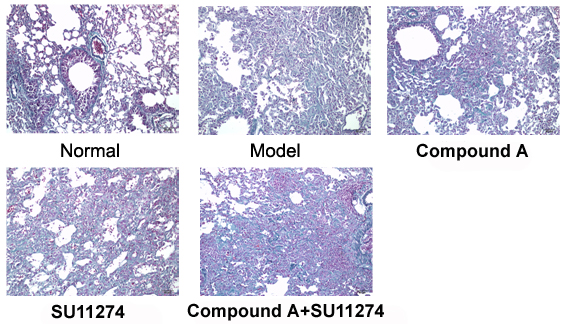
Discussion The etiology of autoimmune diseases including psoriasis is intricate and a composite of environmental and biological factors. There are very limited studies available that report the association analysis of ACE I/D polymorphism with psoriasis risk. In the current study we report on ass
-
Upon Edn ligand binding endothelin receptors can induce a
2021-06-09

Upon Edn ligand binding, endothelin receptors can induce a variety of intracellular signaling cascades leading to diverse cellular responses such as contraction in the case of smooth muscle cells, or cell growth and mitogenesis. Ednrs are expressed in a variety of cell types and tissues, for example
-
br Protein protein interactions of
2021-06-09
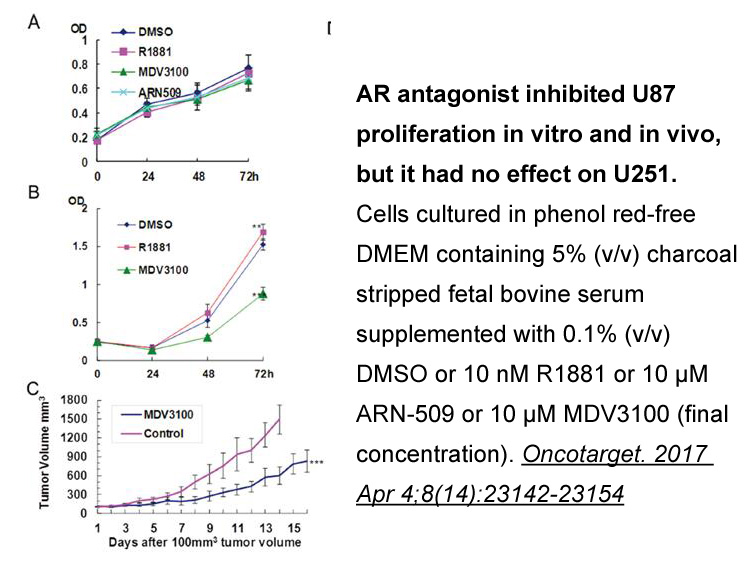
Protein-protein interactions of LEI/L-DNase II and the control of cell death Evolutionary tips The serpin inhibitory mechanism is extremely well adapted to evolutionary changes because a single amino CCK Octapeptide, non-sulfated receptor substitution in the RSL can led to the inhibition of a
-
Diacylglycerol kinases DGK and are
2021-06-08
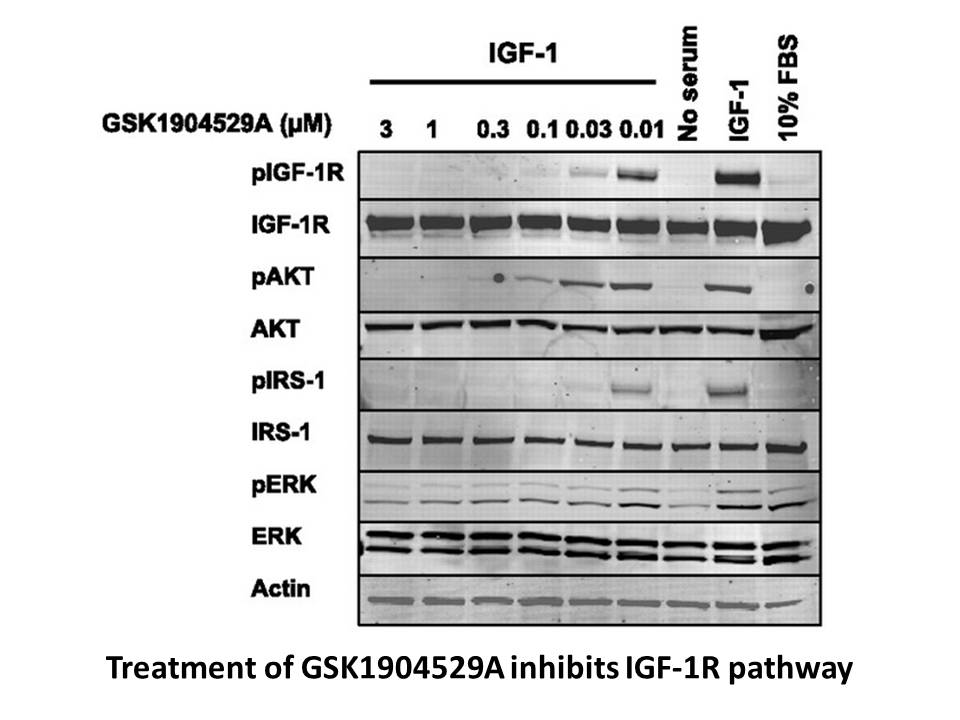
Diacylglycerol kinases (DGK) α and ζ are lipid kinases that limit diacylglycerol (DAG)-dependent activation pathways downstream of the TCR (Merida et al., 2015). Their upregulation in tumor infiltrating lymphocytes (TIL) has been linked to generation of hyporesponsive states that contribute to immun
16303 records 651/1087 page Previous Next First page 上5页 651652653654655 下5页 Last page