Archives
- 2026-07
- 2026-06
- 2026-05
- 2026-04
- 2026-03
- 2026-02
- 2026-01
- 2025-12
- 2025-11
- 2025-10
- 2025-09
- 2025-03
- 2025-02
- 2025-01
- 2024-12
- 2024-11
- 2024-10
- 2024-09
- 2024-08
- 2024-07
- 2024-06
- 2024-05
- 2024-04
- 2024-03
- 2024-02
- 2024-01
- 2023-12
- 2023-11
- 2023-10
- 2023-09
- 2023-08
- 2023-07
- 2023-06
- 2023-05
- 2023-04
- 2023-03
- 2023-02
- 2023-01
- 2022-12
- 2022-11
- 2022-10
- 2022-09
- 2022-08
- 2022-07
- 2022-06
- 2022-05
- 2022-04
- 2022-03
- 2022-02
- 2022-01
- 2021-12
- 2021-11
- 2021-10
- 2021-09
- 2021-08
- 2021-07
- 2021-06
- 2021-05
- 2021-04
- 2021-03
- 2021-02
- 2021-01
- 2020-12
- 2020-11
- 2020-10
- 2020-09
- 2020-08
- 2020-07
- 2020-06
- 2020-05
- 2020-04
- 2020-03
- 2020-02
- 2020-01
- 2019-12
- 2019-11
- 2019-10
- 2019-09
- 2019-08
- 2019-07
- 2019-06
- 2019-05
- 2019-04
- 2018-11
- 2018-10
- 2018-07
-
AMPK is a master regulator of metabolic homeostasis
2021-07-17

AMPK is a master regulator of metabolic homeostasis, its broad spectrum of metabolic activities makes it an attractive target for treatment of metabolic and related disorders including Diabetes and Obesity (Madhavi et al., 2018). It controls lipid metabolism through its target genes PPAR-γ, C/EBP-α
-
We found that E and GEN each has mostly
2021-07-17

We found that E2 and GEN each has mostly similar effects on recruitment of the epigenetic modulators to the MB-COMT distal promoter (summarized in Table 2). These effects are associated with increased promoter methylation and gene suppression of COMT. It is noted that the array of epigenetic modulat
-
The BDNF Val Met polymorphism
2021-07-17

The BDNF Val66Met polymorphism is also associated with decreased dendritic arborization and impaired long-term potentiation [25]. This is particularly important for the hippocampus, and healthy individuals with a BDNF Val66Met allele have decreased hippocampal volumes [30]. Hippocampal atrophy is co
-
It is now known that cholinergic
2021-07-17
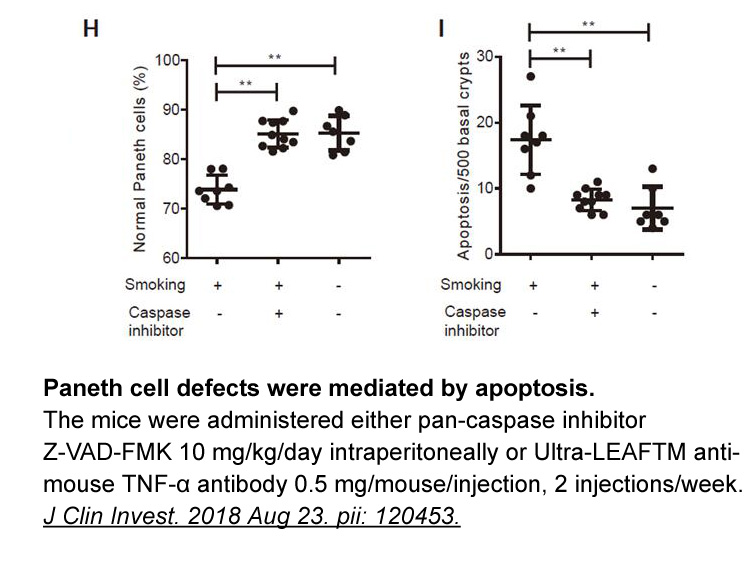
It is now known that cholinergic signaling plays a vital role in controlling many peripheral functions including skeletal and smooth muscle contraction, autonomic postganglionic neuron activation, parasympathetic end-organ activation (e.g., salivary, lacrimal and bronchial glands), regulation of car
-
In conclusion we propose that UBE T FANCT mutations
2021-07-16
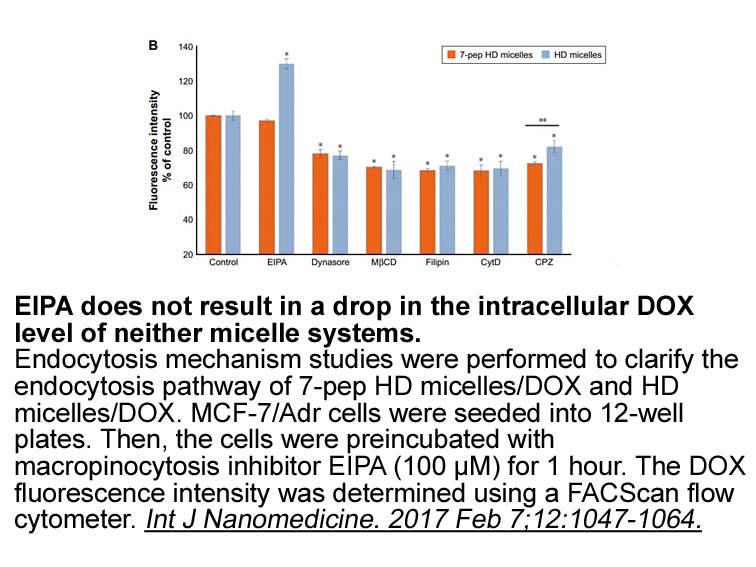
In conclusion, we propose that UBE2T (FANCT) mutations define a FA subtype. This is also a rare example of a mutated E2 enzyme causing an inherited human disorder, like UBE2A. The p.Gln2Glu substitution is probably hypomorphic, as indicated by the fact that a siUBE2T knockdown made AP65P-hTERT topoi
-
br Results and Discussion br
2021-07-16
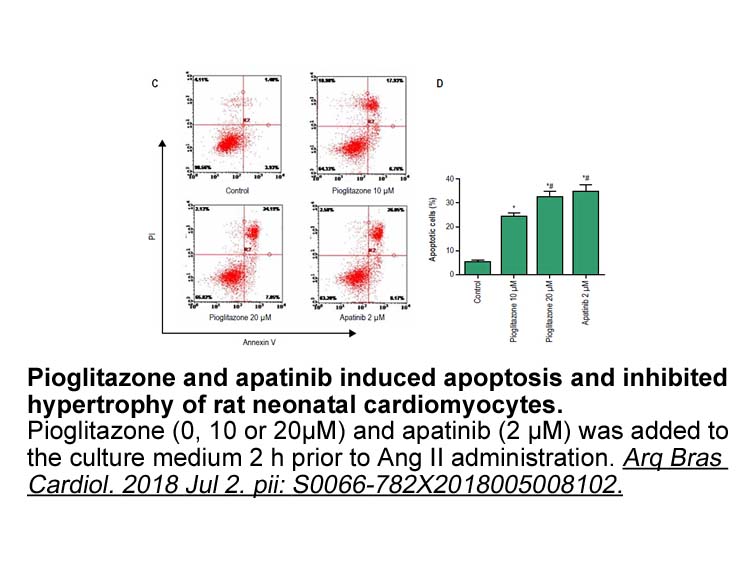
Results and Discussion Conclusions Understanding the connections between function and fitness is a primary goal of many biological disciplines including systems biology and molecular evolution. While sound approaches have been developed to understand the connections between function and fitnes
-
Nitric oxide NO is synthesized by
2021-07-16

Nitric oxide (NO) is synthesized by conversion of the l-arginine to NO and l-citrulline through reaction which is catalyzed by nitric oxide synthetase (NOS) (Knowles and Moncada, 1994). NO as an important molecule not only play a role as second messenger but also binds to cytochrome c oxidase and de
-
Recently Schenck et al identified an active
2021-07-16
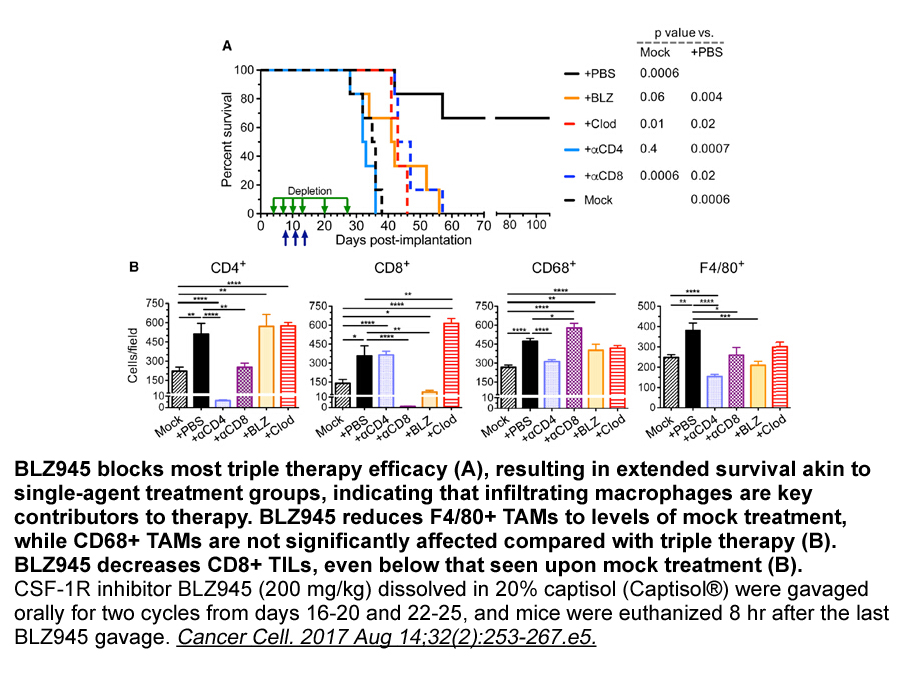
Recently, Schenck et al. [25] identified an active site asparagine 222 (N222) residue in the Glycine max TyrAp/PDH (GmPDH1) that is responsible for its prephenate substrate specificity. Mutating the single N222 into an acidic residue (i.e. aspartate, D) in the legume TyrAp/PDH shifted from prephenat
-
br Introduction The discoidin domain receptors
2021-07-16
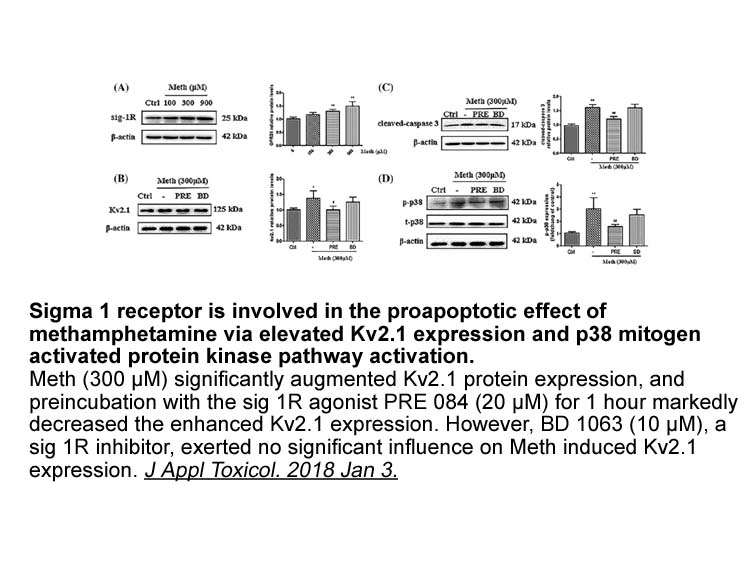
Introduction The discoidin domain receptors (DDRs), DDR1 and DDR2, are unique among the receptor tyrosine kinases (RTKs) in being activated by interaction with the extracellular matrix [1], [2]. Binding to triple-helical collagen is mediated by the receptor extracellular domains that include an N
-
The authentic PPase was purified from B subtilis as
2021-07-16
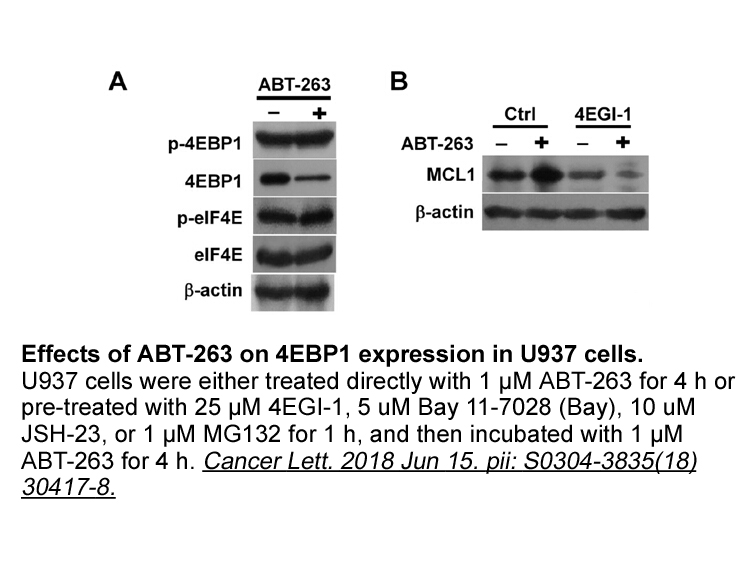
The authentic PPase was purified from B. subtilis as described previously [21], whereas the recombinant enzyme was purified to homogeneity from E. coli by a simplified procedure including only phenyl-Sepharose CL-4B column chromatography and DEAE-HPLC [21]. About 26 mg of pure enzyme was obtained fr
-
Our present results support a major role of EP receptors
2021-07-15
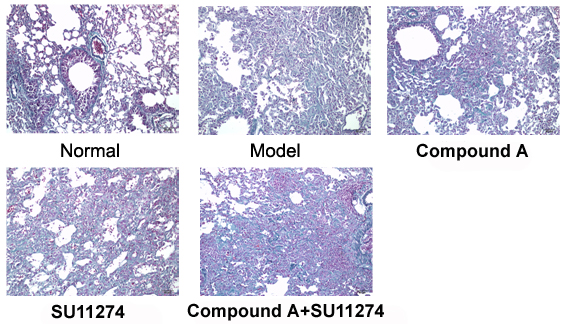
Our present results support a major role of EP1 receptors in peripheral heat sensitization and a smaller contribution to central heat sensitization but no contribution to mechanical sensitization. While the contribution of peripheral EP1 receptors to heat hyperalgesia is in good agreement with the a
-
We should also note that oxygen pressure of
2021-07-15
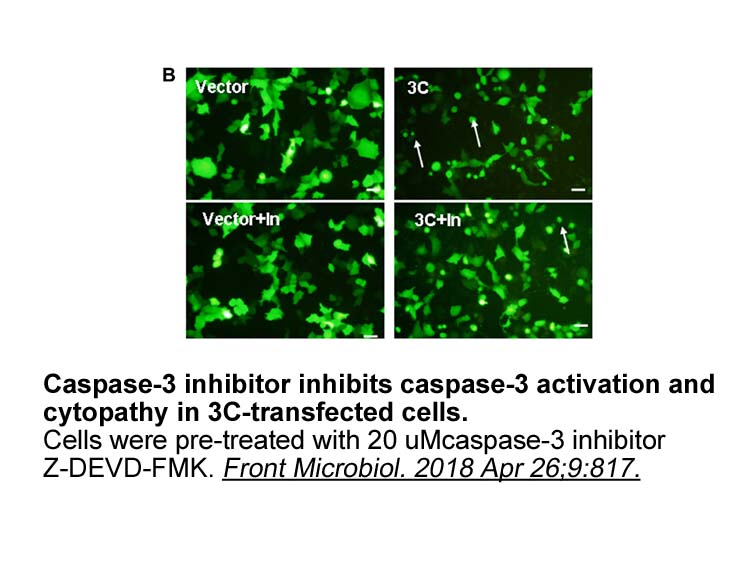
We should also note that oxygen pressure of Krebs solution bubbled with 95% O2+5% CO2 as we used in our study is reported to around 400 mmHg in several studies [48], [49], which is higher than normal arterial O2 pressure (80–100 mmHg). Although superoxide generation at elevated O2 tensions are noted
-
It has been reported that the
2021-07-15
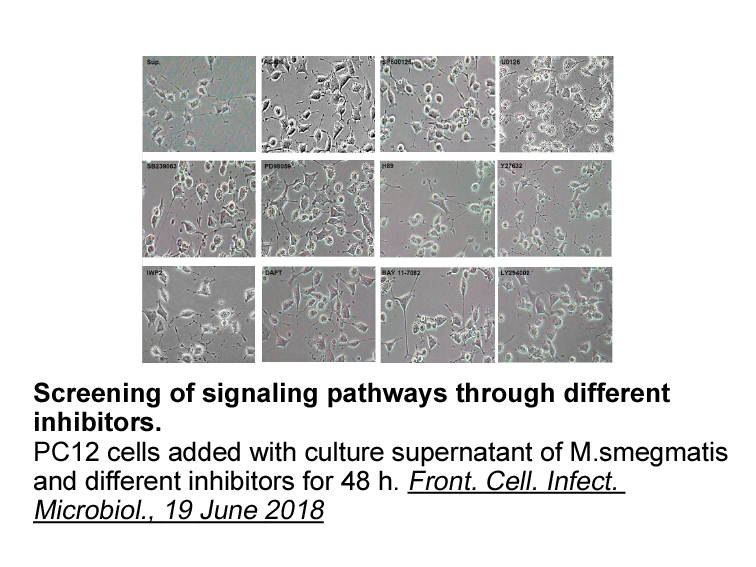
It has been reported that the ECD of DDRs require dimerization and/or oligomerization for binding to collagen.,, Here, we have established using SPR that antibody-mediated oligomerization of DDR2-Fc significantly enhances its binding to immobilized collagen type 1. Our results are consistent with ea
-
dna ligase Expression of both CH H and CYP
2021-07-15
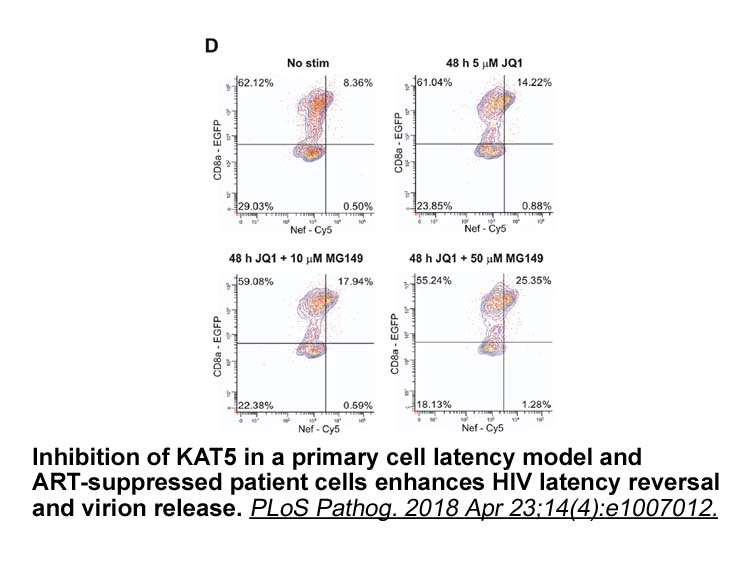
Expression of both CH25H and CYP7B1 by lymphoid stromal dna ligase is required for the synthesis of 7α,25-OHC in lymphoid tissues and the correct positioning of B cells. Production of EBI2 ligand by hematopoietically derived cells appears limited [24] but may occur under some circumstances, given t
-
br The major regulator of radiation sensitivity
2021-07-15
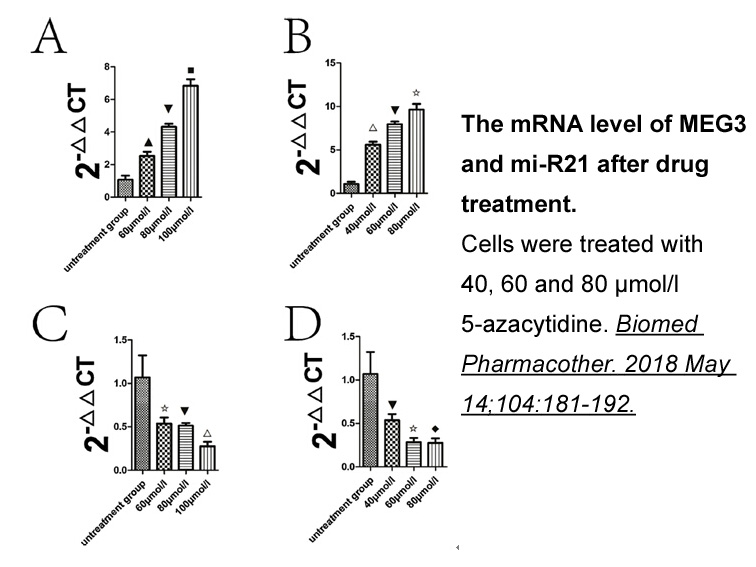
The major regulator of radiation sensitivity Tumor cell resistance to radiation is a big issue for radiation therapy, and a major concern of radiation oncologist. Understanding the regulation mechanism of radiation sensitivity is still a research hotspot. Increased sensitivity to ionizing radiati
16303 records 633/1087 page Previous Next First page 上5页 631632633634635 下5页 Last page