Archives
- 2026-07
- 2026-06
- 2026-05
- 2026-04
- 2026-03
- 2026-02
- 2026-01
- 2025-12
- 2025-11
- 2025-10
- 2025-09
- 2025-03
- 2025-02
- 2025-01
- 2024-12
- 2024-11
- 2024-10
- 2024-09
- 2024-08
- 2024-07
- 2024-06
- 2024-05
- 2024-04
- 2024-03
- 2024-02
- 2024-01
- 2023-12
- 2023-11
- 2023-10
- 2023-09
- 2023-08
- 2023-07
- 2023-06
- 2023-05
- 2023-04
- 2023-03
- 2023-02
- 2023-01
- 2022-12
- 2022-11
- 2022-10
- 2022-09
- 2022-08
- 2022-07
- 2022-06
- 2022-05
- 2022-04
- 2022-03
- 2022-02
- 2022-01
- 2021-12
- 2021-11
- 2021-10
- 2021-09
- 2021-08
- 2021-07
- 2021-06
- 2021-05
- 2021-04
- 2021-03
- 2021-02
- 2021-01
- 2020-12
- 2020-11
- 2020-10
- 2020-09
- 2020-08
- 2020-07
- 2020-06
- 2020-05
- 2020-04
- 2020-03
- 2020-02
- 2020-01
- 2019-12
- 2019-11
- 2019-10
- 2019-09
- 2019-08
- 2019-07
- 2019-06
- 2019-05
- 2019-04
- 2018-11
- 2018-10
- 2018-07
-
In mice the Tfm mutation increased
2024-08-09

In mice, the Tfm mutation increased the anxiety-state assessed in the novel object and in light/dark box tests, whereas no changes were detected in the open field or elevated plus maze tasks (Zuloaga et al., 2008). As for Tfm rats, this seemed to be related to an increased HPA response to stress. Th
-
We find that the interaction of NSF and
2024-08-09
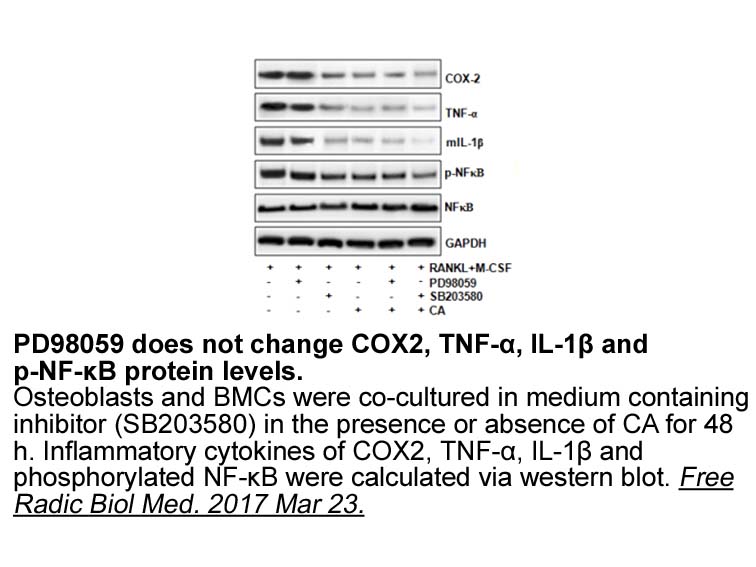
We find that the interaction of NSF and SNAP is critically involved in NMDAR-induced PICK1 unclustering. The binding of SNAP to NSF increases the ATPase activity of NSF, which is known to be essential for the unbinding of PICK1 from GluR2 (Hanley et al., 2002). Disruption of the association between
-
br Results The newly synthesized leucine
2024-08-09
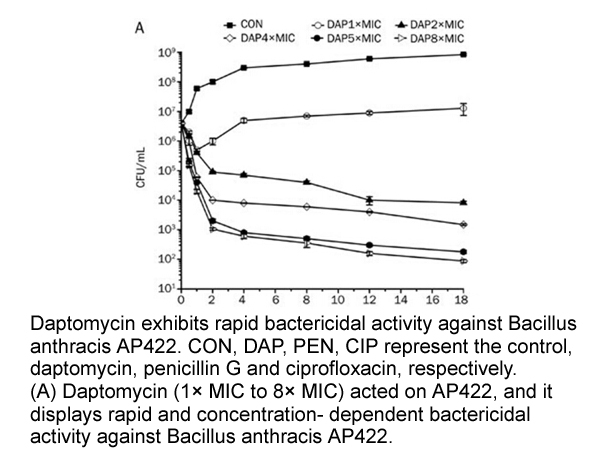
Results The newly synthesized leucine ureido derivatives were firstly evaluated for their enzymatic inhibition using porcine kidney APN (Microsomal, Biocol) with bestatin as the positive control (Table 1). One isoleucine ureido derivative 14 and phenylglycine ureido derivative 15 were also synthe
-
br Conclusion br Introduction The identification of Alzheime
2024-08-09
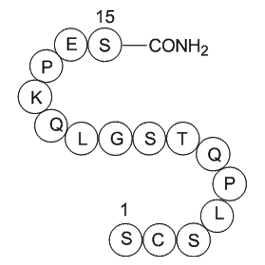
Conclusion Introduction The identification of Alzheimer's disease (AD) biomarkers and their ability to measure pathology antemortem has led to a fundamental reconsideration of the pathogenesis of AD. The importance of biomarkers was already reflected in revised diagnostic criteria proposed by
-
In conclusion we show that HBP is phosphorylated
2024-08-09
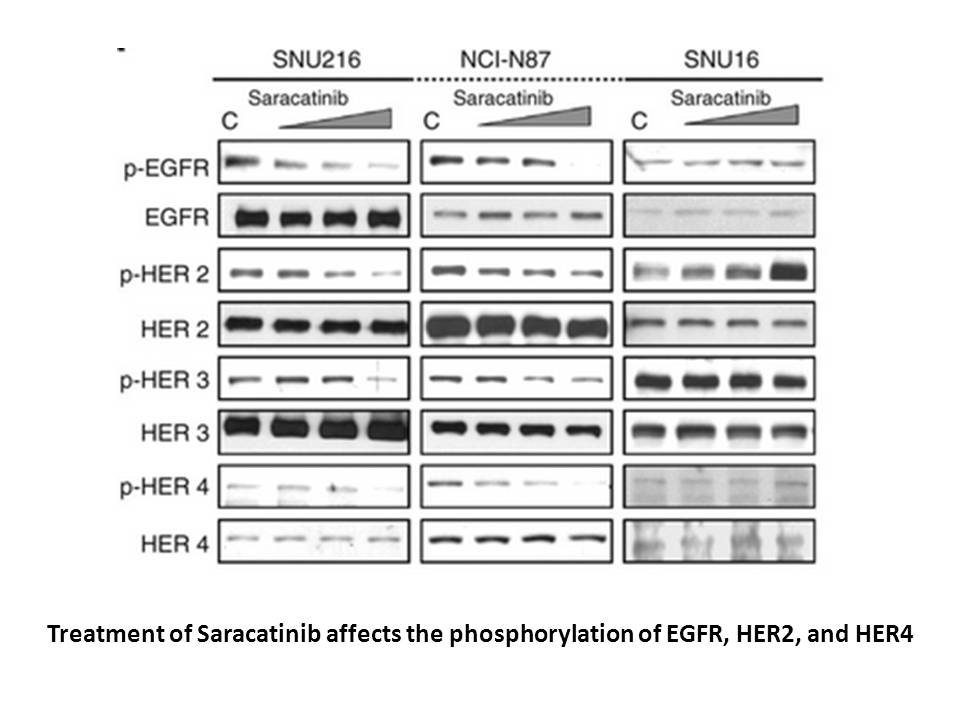
In conclusion, we show that HBP1 is phosphorylated on three sites, which control HBP1 transcriptional activity and glioblastoma cell proliferation. This phosphorylation largely depends on AKT, although other kinases may also be involved. In a previous study, we had shown that the PI3K-AKT pathway re
-
Unexpectedly under pathological pain conditions inhibition
2024-08-09
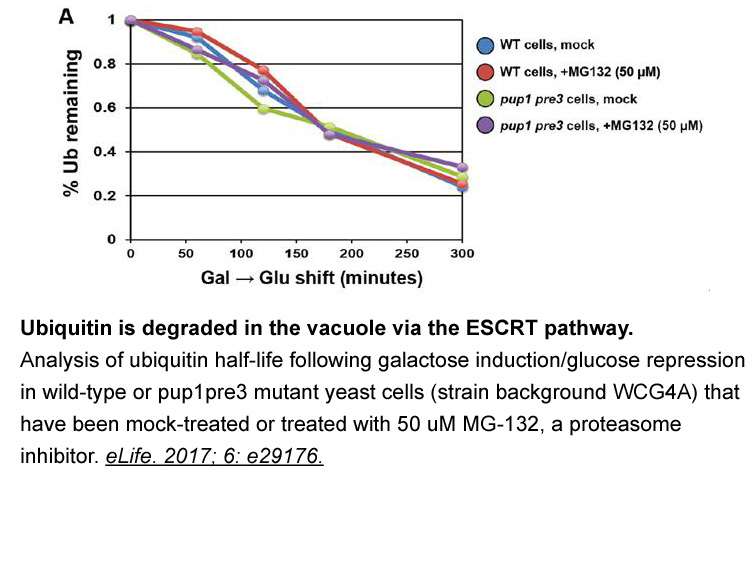
Unexpectedly, under pathological pain conditions, inhibition of spinal glutamate transporter activity can produce antinociceptive effects. For example, intrathecal injection of the transportable inhibitor trans-pyrrolidine-2,4-dicarboxylic 6015 (t-PDC) or antisense oligonucleotides reduced nocicept
-
Our studies suggest that AdipoR and AdipoR
2024-08-09
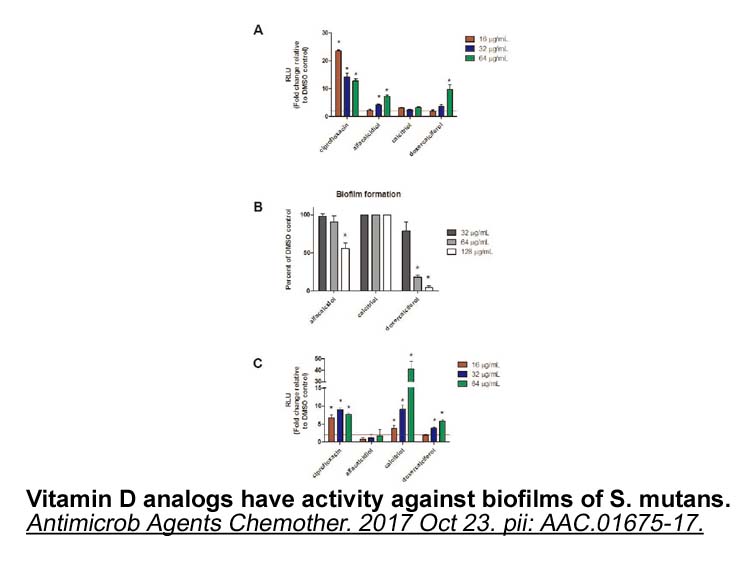
Our studies suggest that AdipoR1 and AdipoR2 genes are expressed in multiple tissues in the chicken wherein both receptors are likely to mediate the physiological effects of adiponectin. We determined the relative expression of AdipoR1 and AdipoR2 mRNA in various tissues and found that skeletal musc
-
Although the role of mossy fiber sprouting in epileptogenesi
2024-08-08
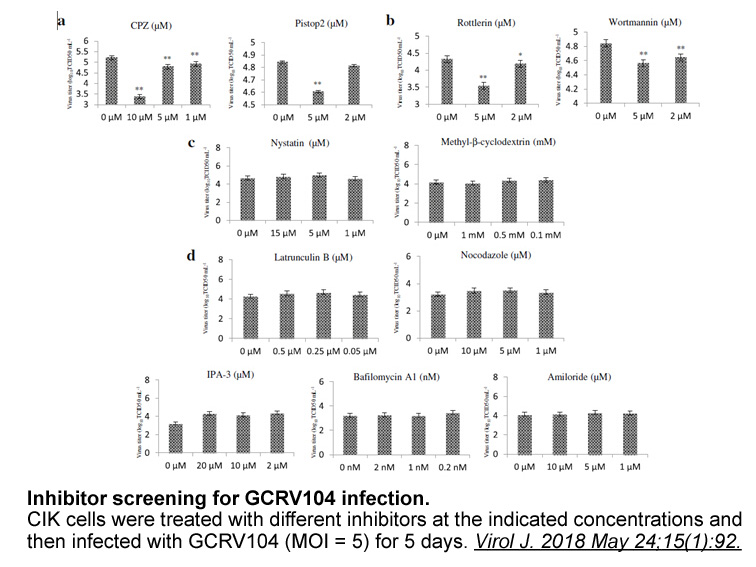
Although the role of mossy fiber sprouting in epileptogenesis has been challenged (Elmer et al., 1997, Nissinen et al., 2001), in addition to astrogliosis, mossy fiber sprouting is one of the characteristic histopathological findings in TLE (Kharatishvili et al., 2006, Pitkanen et al., 2007, Represa
-
br Antioxidative stress and anti inflammation
2024-08-08
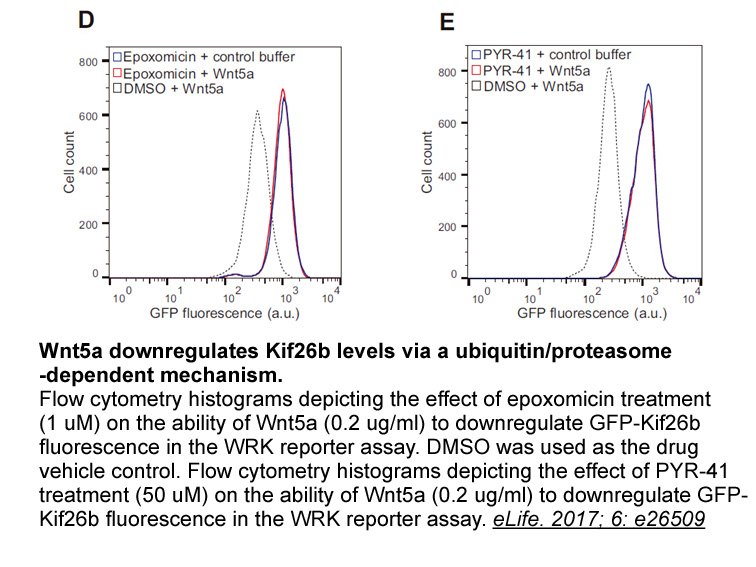
Antioxidative stress and anti-inflammation Oxidative stress is a major cause of reduced endothelial NO bioavailability in hypertension, and inflammatory response is thought to play an important role in these processes (Blake and Ridker, 2001, Landmesser et al., 2006). Reactive oxygen species (ROS
-
The altered frequency of CD T cells
2024-08-08
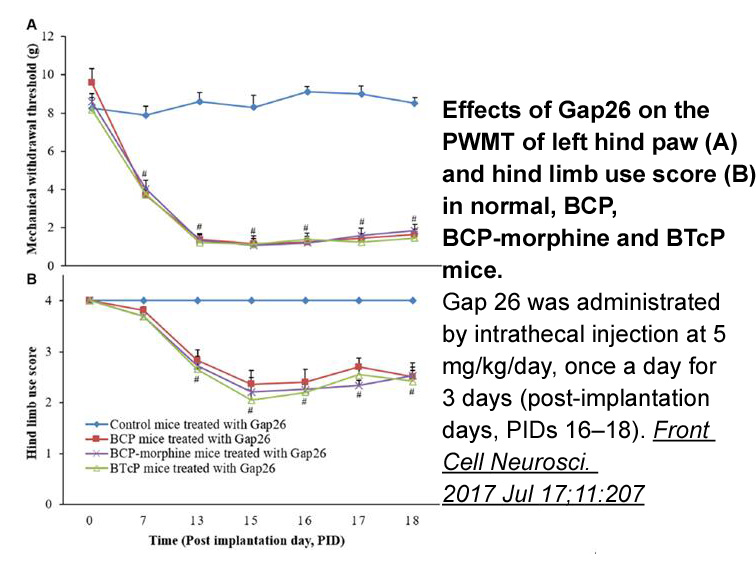
The altered frequency of CD4+ T Malotilate in 5-LO−/− mice led us to hypothesize that these leukocytes could be exerting a primary control of the inflammatory response. In fact, the lack of 5-LO resulted in the accumulation of CD4+CD25+ cells expressing Treg markers. It is plausible to speculate tha
-
br Materials and methods br Results To explore
2024-08-08
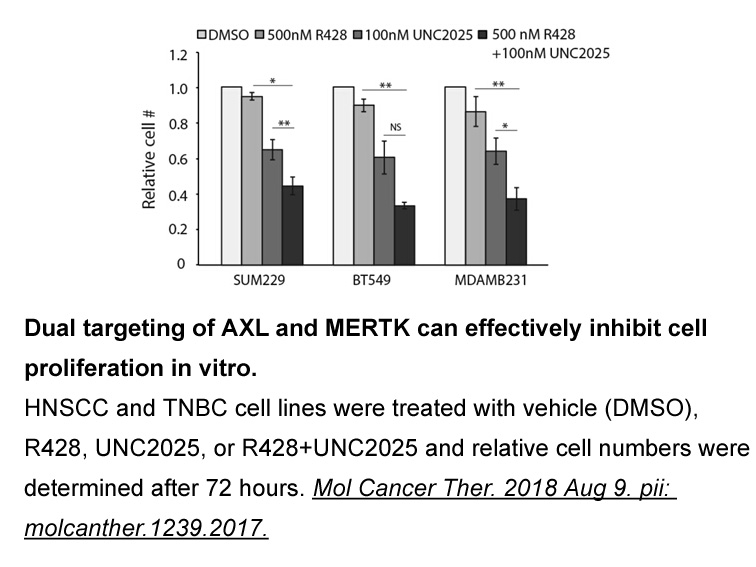
Materials and methods Results To explore the potential role of autophagy in drug resistance, we firstly performed immunohistochemistry to compare the 1670 of p62 in paired primary, metastatic, and recurrent tumor tissues from 26 ovarian cancer patients. The expression of p62 was revealed to b
-
Jesus et al discovered a new series of azaindole
2024-08-08
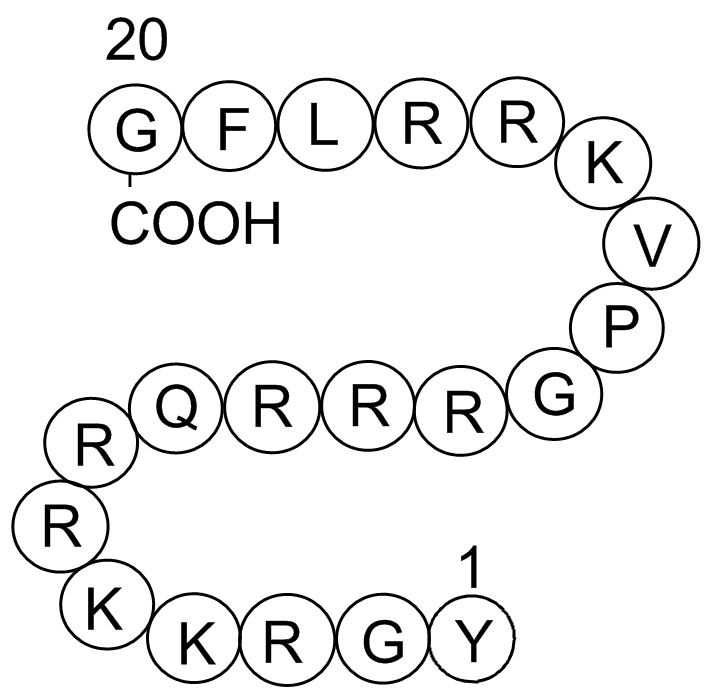
Jesus et al. discovered a new series of azaindole as Aurora inhibitors through various modification of GSK1070916 (47). They synthesized series from modification of the GSK1070916 and evaluated for in-vitro Aurora-B/INCENP and Aurora-A/TPX2 inhibition assays. Modified glucose transport proteins 48 a
-
In response to DSB the
2024-08-08
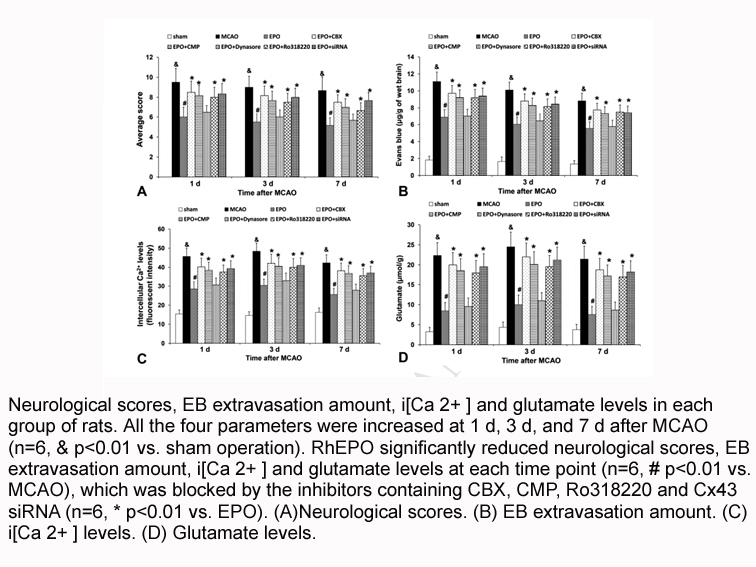
In response to DSB, the lesion recognition factor Mre11-Rad50-Nbs1 (MRN) complex helps the recruitment of ATM to the damage site and its activation by phosphorylation [29]. However, whether UV-damage recognition factors directly influence ATR and ATM recruitment and their phosphorylation is not clea
-
benzbromarone sale br Materials and methods br Results and d
2024-08-08
Materials and methods Results and discussion During recent years, recombinant ASK1 has been obtained by expensive baculovirus-insect cell benzbromarone sale systems [20], [27]. In the present study, we constructed recombinant ASK1 and expressed in active form at high level in E. coli. Human A
-
Introduction Cytochrome P CYP aromatase catalyzes the
2024-08-08
Introduction Cytochrome P450 19 (CYP19; aromatase) catalyzes the conversion of androgens to estrogens in a three-reaction sequence, where each step depends on NADPH and O2 [[1], [2], [3]]. The first two steps are accepted to be hydroxylations of the steroid C19 methyl group, whereas the final step
16293 records 131/1087 page Previous Next First page 上5页 131132133134135 下5页 Last page